

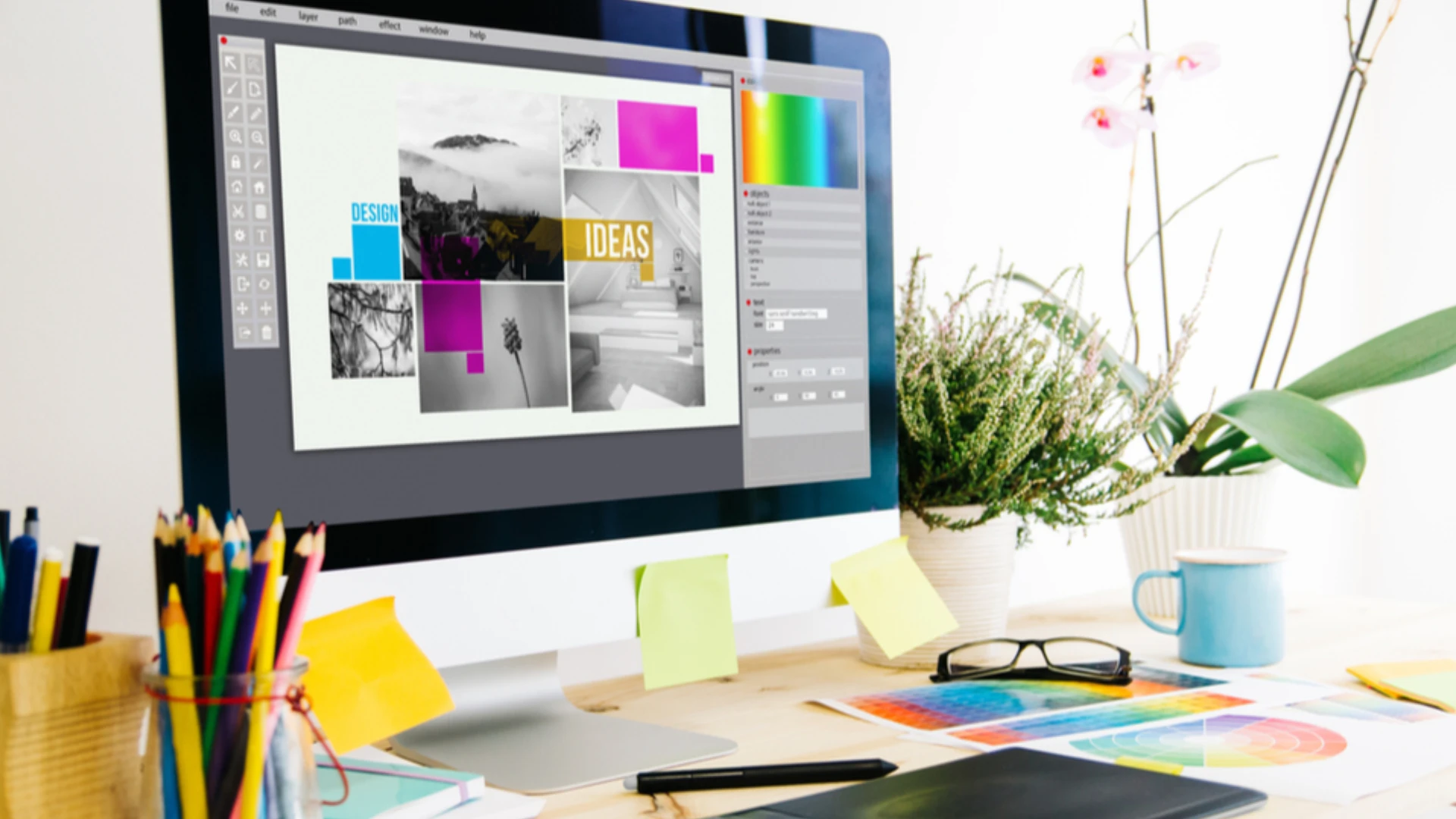
In today’s digital age, print design remains a crucial element of branding and marketing, offering a tangible and impactful way to connect with audiences. While online advertising and digital graphics are essential, professionally designed print materials – such as brochures, business cards, posters, and banners – continue to play a vital role in creating lasting impressions and enhancing brand credibility.
What is Print Design?
Print design is the art of creating visually compelling materials intended for physical production rather than digital distribution. Unlike web or social media graphics, print design requires a deep understanding of layout, color theory, typography, and printing processes to ensure high-quality results when produced on paper, vinyl, fabric, or other materials.
Why Print Design Still Matters
Even with the rise of digital media, print design offers advantages that digital marketing cannot replicate:
- Tangible and Memorable – Physical materials engage multiple senses, making them more memorable than digital ads.
- Increases Credibility – Professionally printed materials add legitimacy to your business and enhance trust.
- Enhances Brand Recognition – Consistently branded print materials help reinforce your visual identity.
- Effective for Local Marketing – Flyers, posters, and banners help reach audiences in specific locations.
- Longer Lifespan – Unlike digital ads that disappear with a scroll, printed materials can be kept and revisited.
Key Elements of Effective Print Design
A well-crafted print design should be visually appealing, strategically structured, and print-ready. Here are the key components:
1. Layout & Composition
A well-balanced layout ensures the message is clear and easy to read. The arrangement of elements—images, text, and whitespace—should guide the viewer’s eye naturally through the content.
2. Typography
Choosing the right fonts is crucial for readability and brand consistency. A mix of fonts should create contrast while maintaining harmony within the design.
3. Color Psychology & Print Colors
Print designs use CMYK color mode (Cyan, Magenta, Yellow, Black) instead of RGB (Red, Green, Blue), which is used for digital screens. Colors should align with the brand’s identity and evoke the right emotions.
4. High-Resolution Images & Graphics
Unlike digital graphics, which can be resized for different screens, print designs must use high-resolution images (at least 300 DPI) to ensure crisp, clear prints.
5. Bleed, Margins, and Safe Zones
To prevent unwanted cuts, print designs require bleed areas (extra space around the edges), margins, and safe zones to ensure no crucial elements are trimmed during production.
Types of Print Design and Their Uses

Print design can take many forms, each serving a different purpose in marketing and branding:
1. Business Cards
- Essential for networking and making professional connections.
- A well-designed business card leaves a strong first impression.
2. Brochures & Flyers
- Great for showcasing products, services, or event details.
- Folded brochures allow for more content while remaining compact.
3. Posters & Banners
- Ideal for promoting events, sales, or special offers.
- Large format designs must be bold and easy to read from a distance.
4. Packaging Design
- Custom packaging enhances product appeal and brand identity.
- Includes labels, boxes, and wraps for retail items.
5. Stationery & Letterheads
- Branded stationery adds professionalism to business communications.
- Includes envelopes, letterheads, and notepads.
Best Practices for Print Design Success
To create effective print designs, follow these best practices:
- Know Your Audience – Tailor the design to appeal to your target market.
- Use Professional Design Software – Adobe Illustrator, Photoshop, and InDesign ensure high-quality results.
- Work with a Professional Printer – Understanding paper types, finishes, and printing techniques can enhance the final product.
- Maintain Brand Consistency – Use the same colors, fonts, and logo placement across all print materials.
- Test Before Printing – Always review a proof version to catch errors before mass production.
Final Thoughts
Print design remains a powerful marketing tool that complements digital efforts by providing a tangible, high-impact way to engage customers. Whether for business branding, promotions, or events, investing in professional print design ensures your materials stand out and leave a lasting impression.
If you need expert graphic design services, I specialize in creating custom, high-quality print materials tailored to your brand’s needs. Let’s bring your vision to life with designs that make an impact!
Contact me today!
What is print design in marketing?
Print design involves creating visual materials like brochures, business cards, and flyers to support marketing and brand communication.
Why is print design still important in modern marketing?
Print materials offer a tangible experience, increase credibility, and help businesses stand out in a digital world.
How can professional print design benefit my business?
High-quality print design improves brand perception, attracts attention, and increases engagement with potential customers.
What types of print design materials do you offer?
I provide brochures, business cards, postcards, banners, packaging, and more—customized for your marketing needs.
How do I get started with print design services?
Contact me through my website to discuss your project and receive a custom quote for professional print design tailored to your business.


