

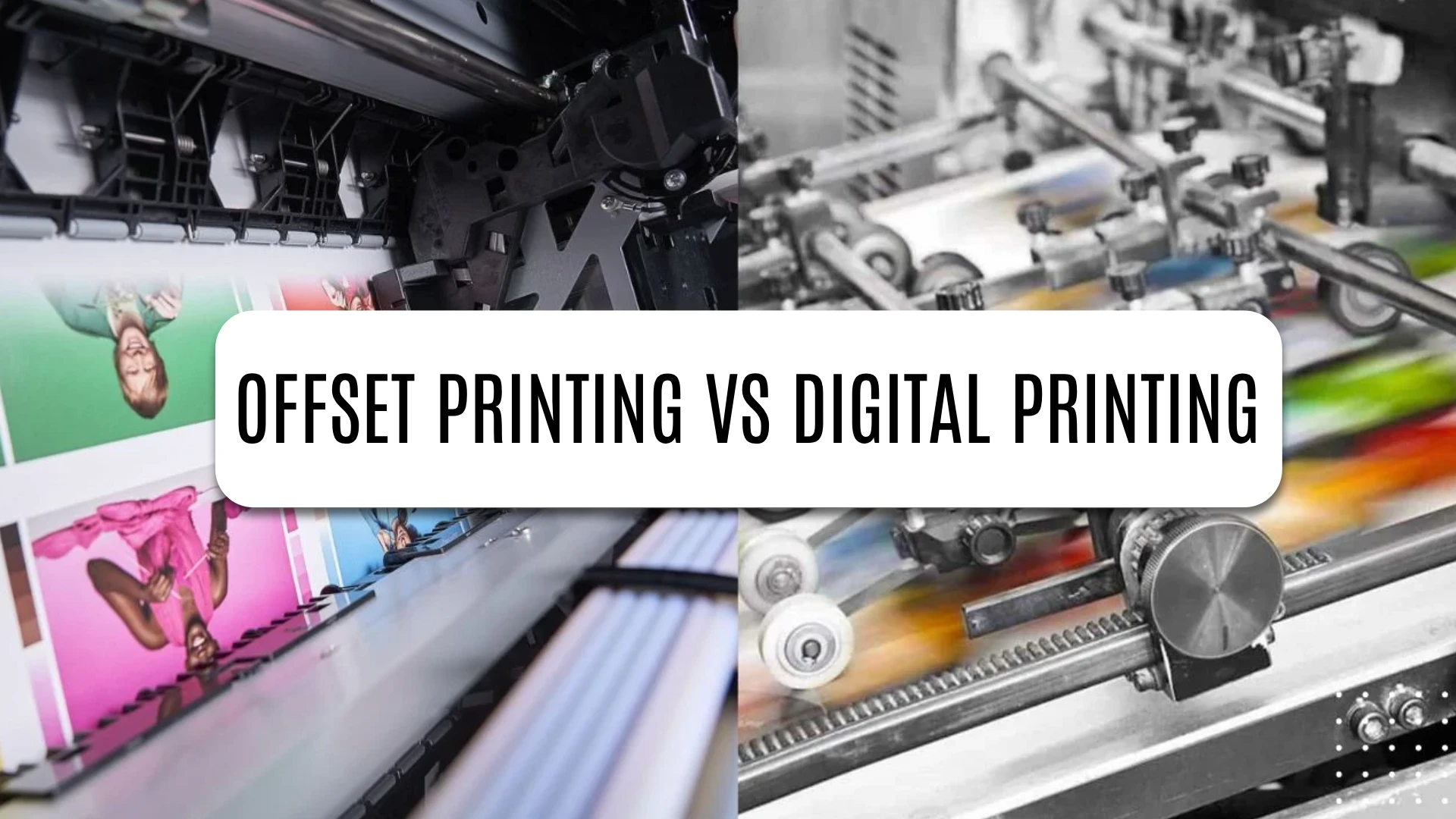
When it comes to professional printing, two main methods dominate the industry: digital vs. offset printing. Each method brings unique benefits, limitations, and ideal applications depending on the project. Digital printing is often praised for its speed, flexibility, and ability to handle short runs cost-effectively, while offset printing is valued for its precision, consistency, and cost savings on larger quantities. Understanding the differences between these two printing approaches is essential for designers, marketers, and businesses that want to produce high-quality printed materials without overspending or sacrificing quality.
In this guide, we’ll take a closer look at digital vs. offset printing, highlighting the key differences, advantages, and drawbacks of each. We’ll also share insights into when it makes sense to use one method over the other, as well as best practices for preparing your files to achieve the best possible results. Whether you’re designing business cards, brochures, posters, or large-format projects, knowing how digital and offset printing work will help you make smarter decisions and create materials that stand out.
At David Arthur Design, we specialize in helping clients navigate the choice between digital vs. offset printing to ensure every project is a success. From selecting the right method for your budget and timeline to designing print-ready files that maximize quality, we provide expert guidance every step of the way. Whether you need fast turnaround digital prints or high-volume offset runs, our team ensures your materials look professional and leave a lasting impression.
What is Digital Printing?
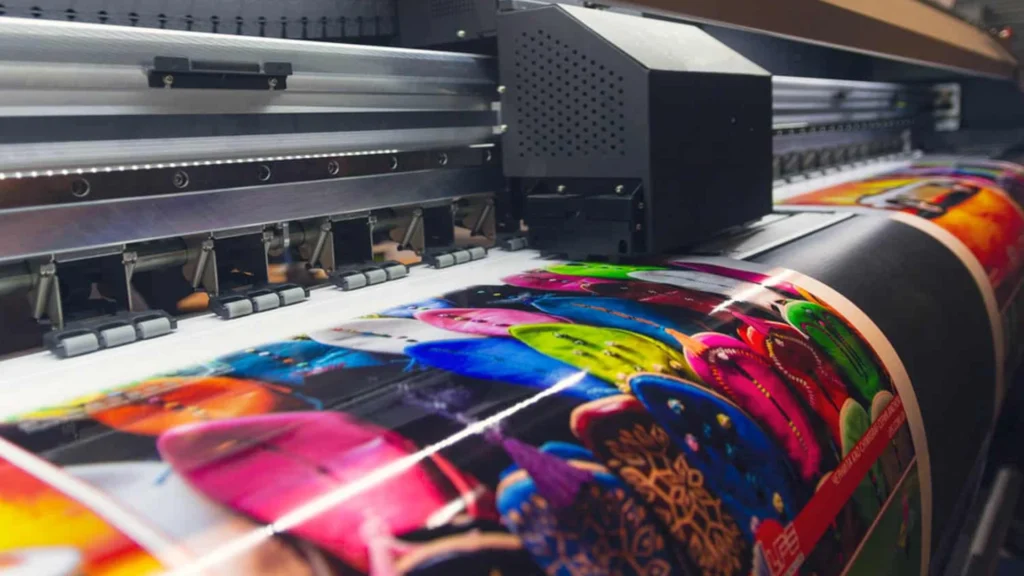
Digital printing is a modern printing method that transfers digital images directly onto a variety of materials using toner or liquid ink. Unlike offset printing, which requires the creation of printing plates, digital printing applies ink or toner directly to the surface, making it a fast and cost-effective solution for smaller print runs. This process is particularly beneficial for short turnaround times, as there is minimal setup required. Additionally, digital printing allows for on-the-fly adjustments and personalization, making it an excellent choice for variable data printing, such as personalized direct mail or individualized promotional materials.
Advantages of Digital Printing:
✔️ Quick Turnaround: No need for plates means printing starts almost immediately. Ideal for same-day or next-day printing jobs.
✔️ Cost-Effective for Small Runs: Great for small to medium quantities (1-500 pieces).
✔️ Variable Data Printing: Enables easy customization, such as printing different names or addresses on each copy.
✔️ High-Quality Output: Modern digital presses produce sharp and vibrant prints suitable for most marketing materials.
✔️ Minimal Setup Costs: No need for expensive setup fees or long preparation times.
Best Use Cases for Digital Printing:
- Business cards, flyers, and brochures in small quantities
- Personalized direct mail campaigns
- On-demand booklets and catalogs
- Custom packaging and prototypes
- Event invitations and signage
Design Considerations for Digital Printing:
- Use high-resolution images (300 DPI or higher) for the best print quality.
- Ensure color settings are in CMYK mode rather than RGB to avoid color shifts, as RGB colors appear more vibrant on screens but may not print accurately.
- Allow for bleed (typically 1/8 inch or 3mm) around the edges to prevent white borders after trimming.
- Maintain a safe margin (at least 1/8 inch inside the trim line) to keep important content from being cut off.
- Avoid very fine lines or intricate details, as digital printing may not be as precise as offset, especially on uncoated paper stocks.
- Consider using coated or uncoated paper based on your desired finish—glossy paper enhances vibrancy, while uncoated gives a softer, more natural look.
- Be mindful of paper weight and texture, as digital printing can have different effects on various paper stocks compared to offset printing.
What is Offset Printing?
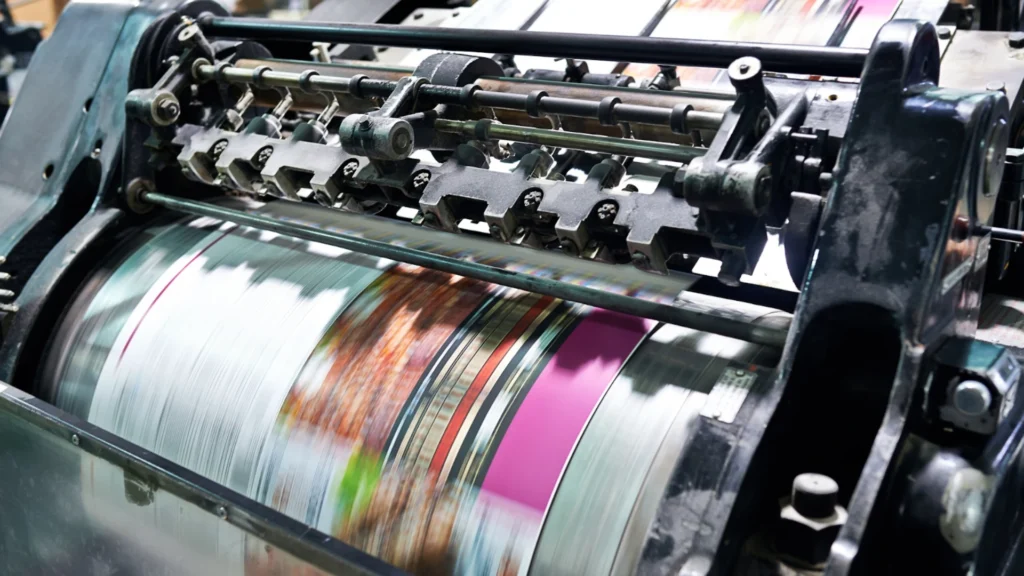
Offset printing is a traditional printing method that utilizes metal plates to transfer ink onto rubber rollers (or blankets), which then apply the ink onto paper or other materials. This process requires a setup phase where individual plates are created for each color in the design. While the initial setup can be time-consuming and costly, offset printing is incredibly efficient for large-volume production, offering superior image clarity, precise color reproduction, and consistent high-quality results. This method is widely used for magazines, packaging, books, brochures, and marketing materials that require exact color matching and sharp details.
Advantages of Offset Printing:
✔️ Superior Image Quality: Provides sharp, clean, and detailed prints with consistent colors.
✔️ Cost-Effective for Large Runs: Once setup is complete, large quantities (500+) are cheaper per unit.
✔️ Wide Range of Paper Options: Works with various paper types, including specialty stocks.
✔️ Precise Color Matching: Uses Pantone Matching System (PMS) for exact color reproduction.
✔️ Custom Finishing Options: Supports embossing, foil stamping, UV coating, and die-cutting.
Best Use Cases for Offset Printing:
- High-volume business cards, brochures, and catalogs
- Magazines, newspapers, and books
- Packaging, labels, and promotional materials
- Fine art prints and specialty marketing collateral
Design Considerations for Offset Printing:
- Convert all files to CMYK mode before printing to ensure accurate color reproduction. RGB colors, which are used for screens, do not always translate correctly to print.
- Use vector graphics for logos and line art to ensure sharp, clean printing, as raster images may pixelate when resized.
- Include bleed (at least 1/8 inch or 3mm) to allow for minor trimming variations, ensuring the final print does not have unintended white edges.
- Use Pantone spot colors for critical brand color matching, as offset printing provides more precise and consistent color reproduction compared to digital printing.
- Keep text sizes and line thicknesses within printer specifications to prevent readability issues. Very thin lines may not print well, especially on uncoated papers.
- Compensate for dot gain, which occurs when ink spreads slightly on paper. Adjust contrast and ink density accordingly to maintain detail and clarity.
- Choose paper type carefully, as offset printing allows for a broader selection of textured, specialty, and heavier paper stocks that may not work with digital presses. Consider how coated vs. uncoated stocks affect color vibrancy and sharpness.
- Account for ink drying time, since offset printing uses wet inks that require proper drying before cutting, folding, or binding. Additional coatings, such as UV or aqueous coating, can speed up drying and enhance durability.
Comparing Digital vs. Offset Printing
| Feature | Digital Printing | Offset Printing |
|---|---|---|
| Best For | Small to medium runs (1-500 copies) | Large runs (500+ copies) |
| Setup Time | Minimal | Longer setup time |
| Cost | Lower for small runs | Lower per unit for large runs |
| Turnaround Time | Fast (same-day or next-day possible) | Longer due to plate setup |
| Color Accuracy | Good, but slight variations may occur | Excellent, precise color matching |
| Customization | Easy (variable data printing available) | Not suitable for one-off custom prints |
| Paper Options | Limited but improving | Wide variety, including specialty stocks |
| Print Quality | High, but not as sharp for complex details | Superior sharpness and detail |
Digital vs. Offset Printing: Which Is Right for Your Project?
Go Digital If:
✅ You need small quantities or one-time prints.
✅ Fast turnaround time is important.
✅ You require customization or variable data printing.
✅ You want a cost-effective solution for short runs.
Go Offset If:
✅ You need large quantities (500+ copies).
✅ Color accuracy and consistency are critical.
✅ You’re printing specialty materials or finishes.
✅ You need the lowest cost per unit for bulk production.
Final Thoughts
Both digital and offset printing have their place in the world of print production. Digital printing is the best choice for short runs, fast turnarounds, and personalization, while offset printing remains the gold standard for high-volume, high-quality, and specialty printing. Understanding the strengths and limitations of each method allows businesses and designers to make informed decisions that best fit their needs.
If you’re looking for expert guidance on designing for print or choosing the right printing method for your project, feel free to reach out. I specialize in creating professional print-ready designs that ensure your materials look their absolute best, no matter the printing process.
Need more help understanding digital vs. offset printing? Need help with print-ready designs? Let’s talk!


